Digital Marketing Manager with a thing for creative projects and new tech. Based in Connecticut.
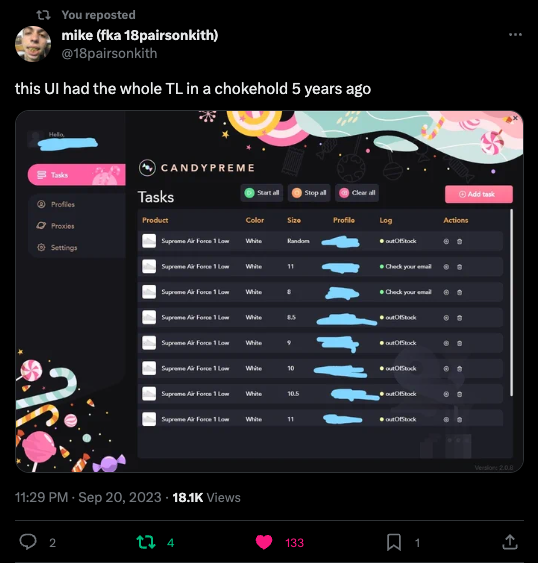
I co-founded CandySoftware with a small team of developers. I ran marketing, operations, and everything that wasn't code. It was a crash course in wearing every hat at once.
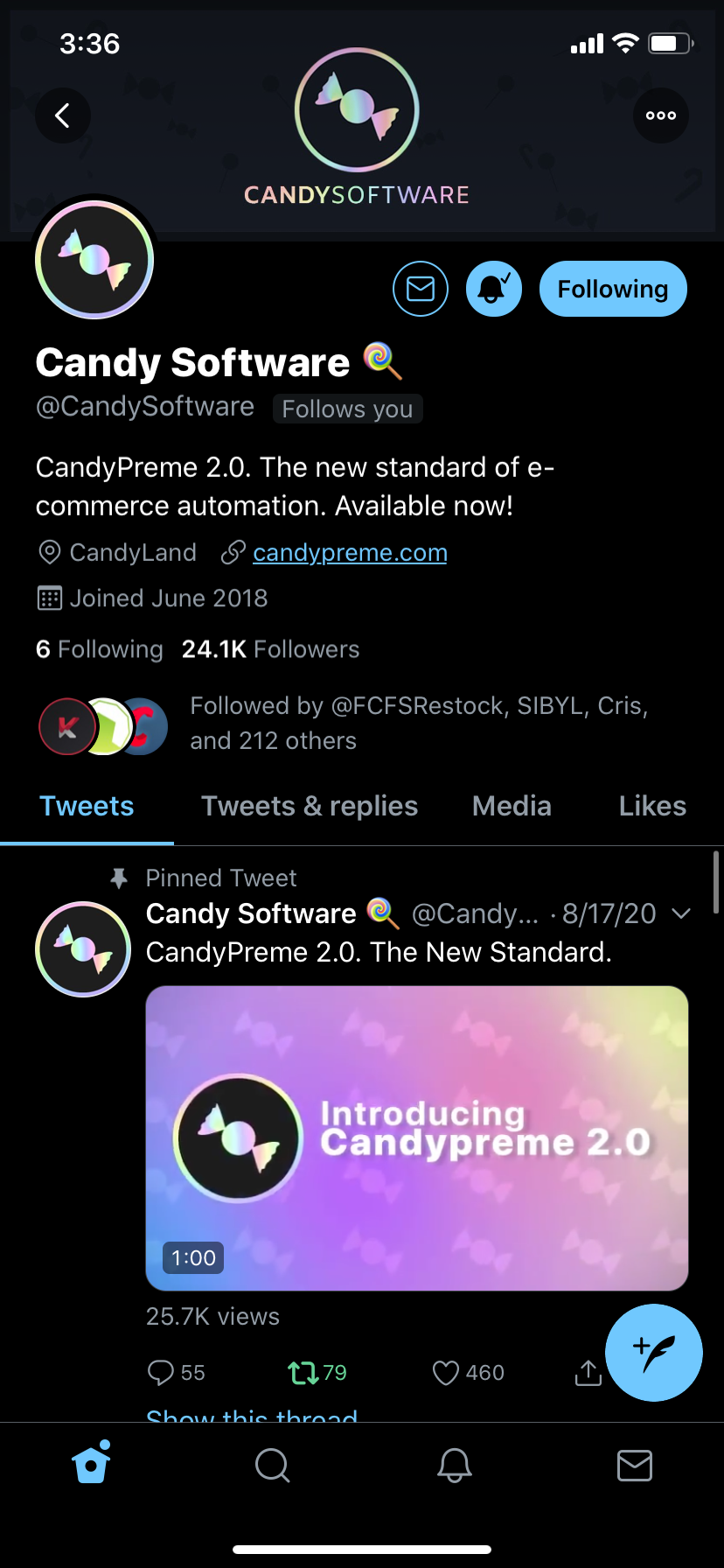
Twitter was where our audience lived, so that's where I focused. I designed a playful, approachable brand voice that matched our colorful identity — and it clicked. Grew the account to 25K followers in two years. To keep the community engaged, I ran giveaways, puzzles, and in-person events in New York, Seattle, and Vancouver. I also invested heavily in relationship-building with other founders in our space, which led to 35+ partnerships that expanded our reach and credibility.
I led the design direction across the board — graphics, UI/UX, and our website. I brought on a graphic designer early, and later worked with a contracted UI/UX designer where I essentially architected the interface: page layouts, feature placement, and interaction flows. One feature I'm proud of: an interactive demo on our site where visitors could actually use a sample of the program's UI — buttons and all. For our video ad, I directed every frame — storyboarded a wall of vintage black-and-white TVs playing candy commercials from the '70s, transitioning to color as the camera zooms in, symbolizing the jump from v1 to v2.
For our 2.0 launch, I partnered with key people in our niche and worked with an illustrator to create a custom font and mascot. We sent partners personalized CandySoftware-branded cereal boxes filled with merch, chocolate, and program licenses. The real move: I partnered with Munsons Chocolates to make custom-branded bars where 1 in 10 had a 'golden ticket' for a free license. We priced them above market and sold out 200 bars in under a minute. People still ask me about those bars years later.
I didn't stay on the sidelines technically. I picked up enough to manage servers, update code, build, obfuscate, and ship releases. As the only Mac user on the team, I owned the entire macOS build and release pipeline. What started as just keeping up with the devs turned into real technical fluency — and the confidence to manage dev teams later on.
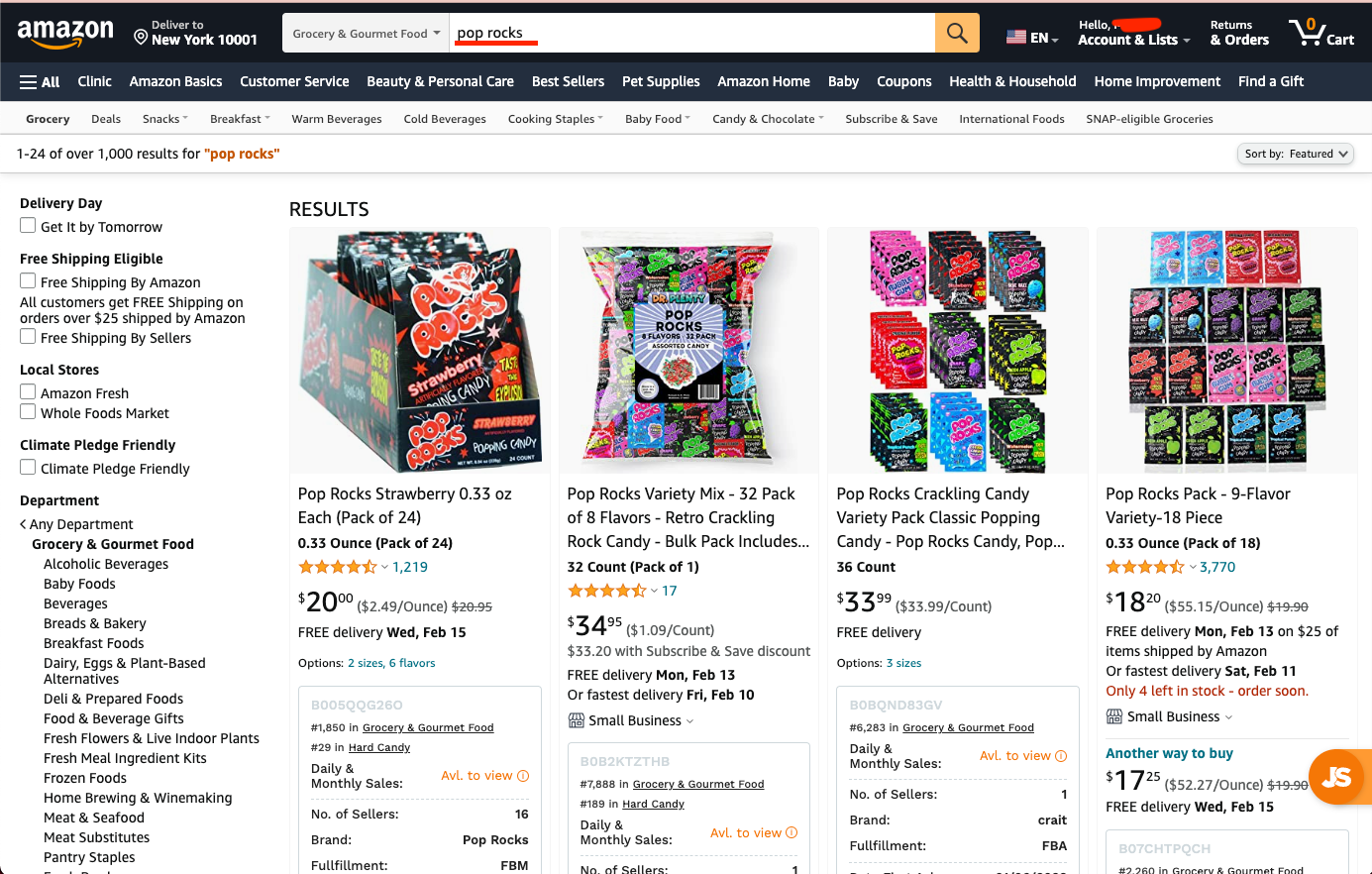
In less than a year, our product organically reached rank #2 under the highly competitive search term 'Pop Rocks'.
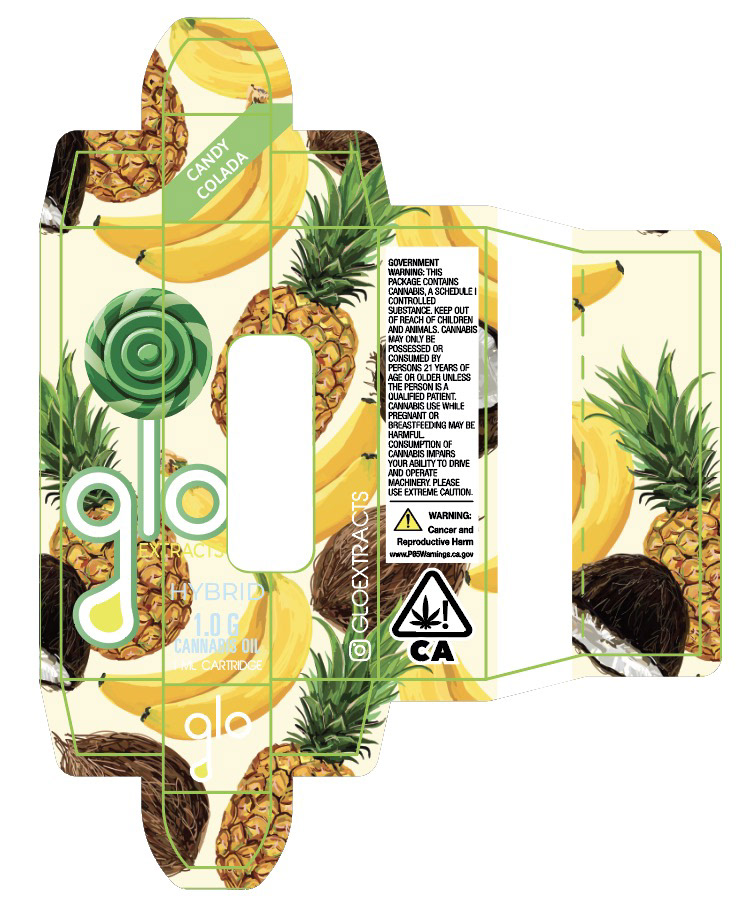
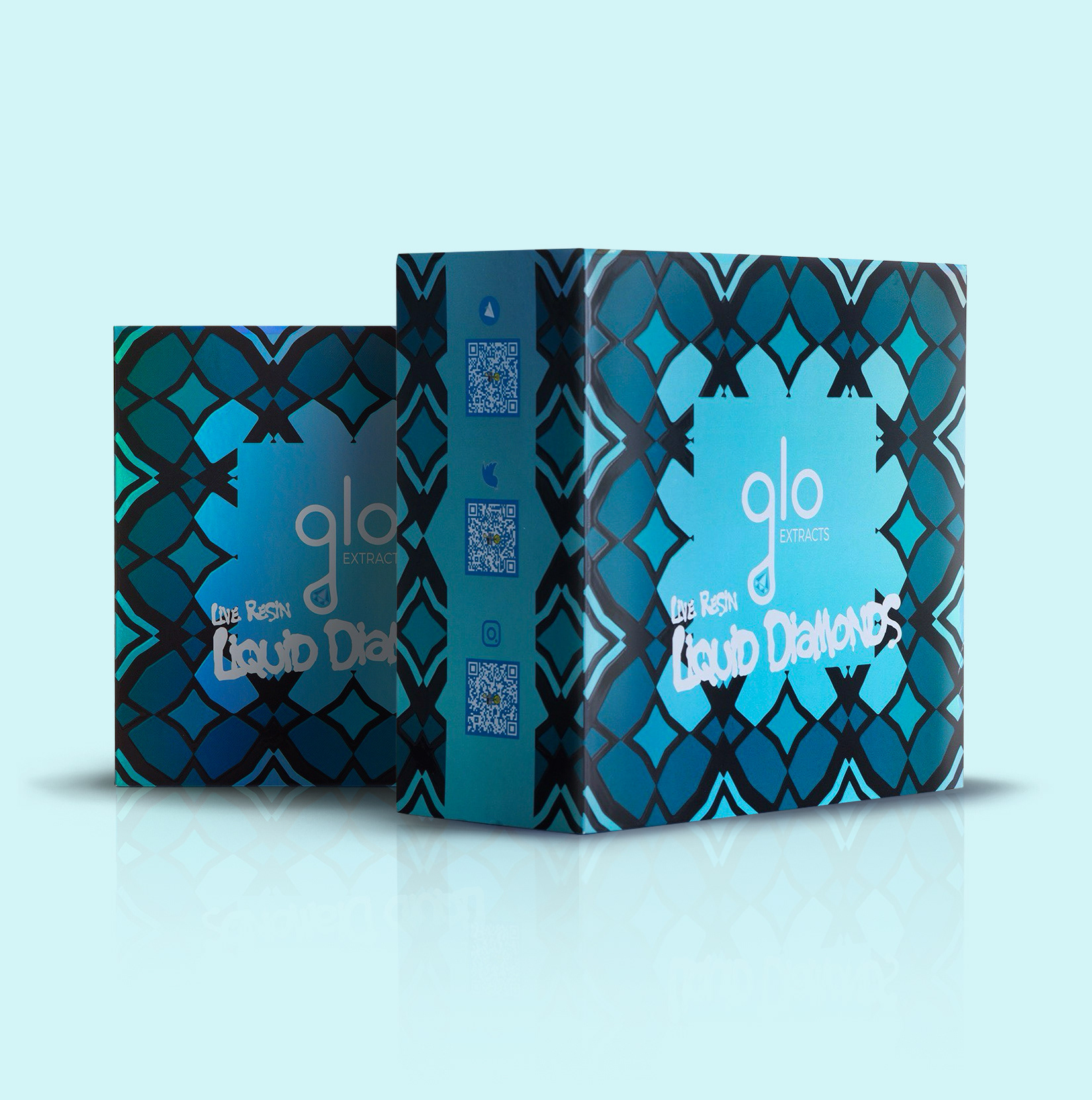
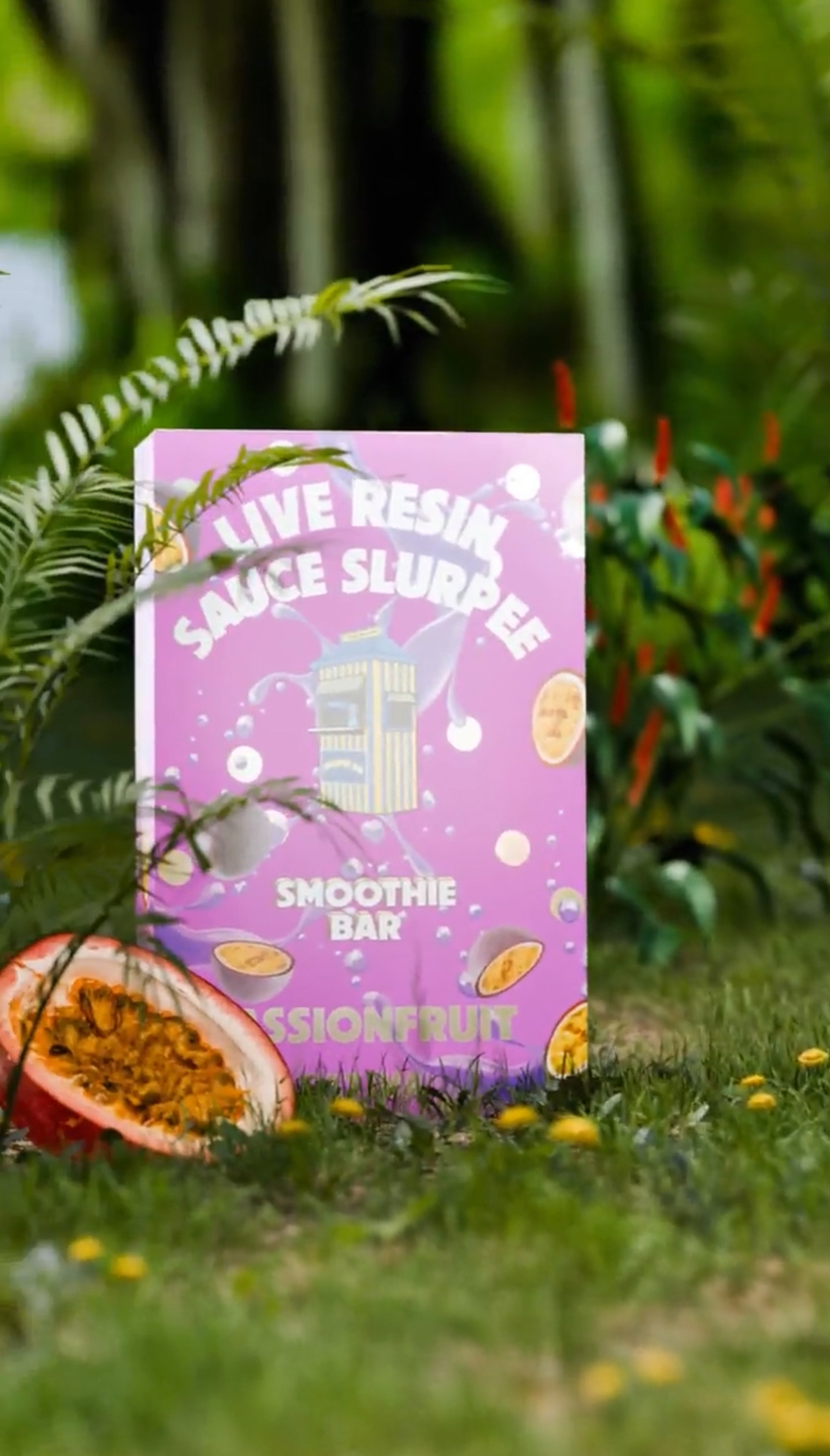
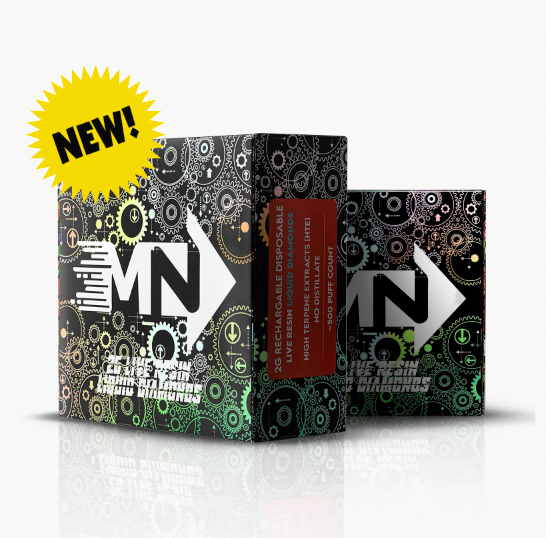
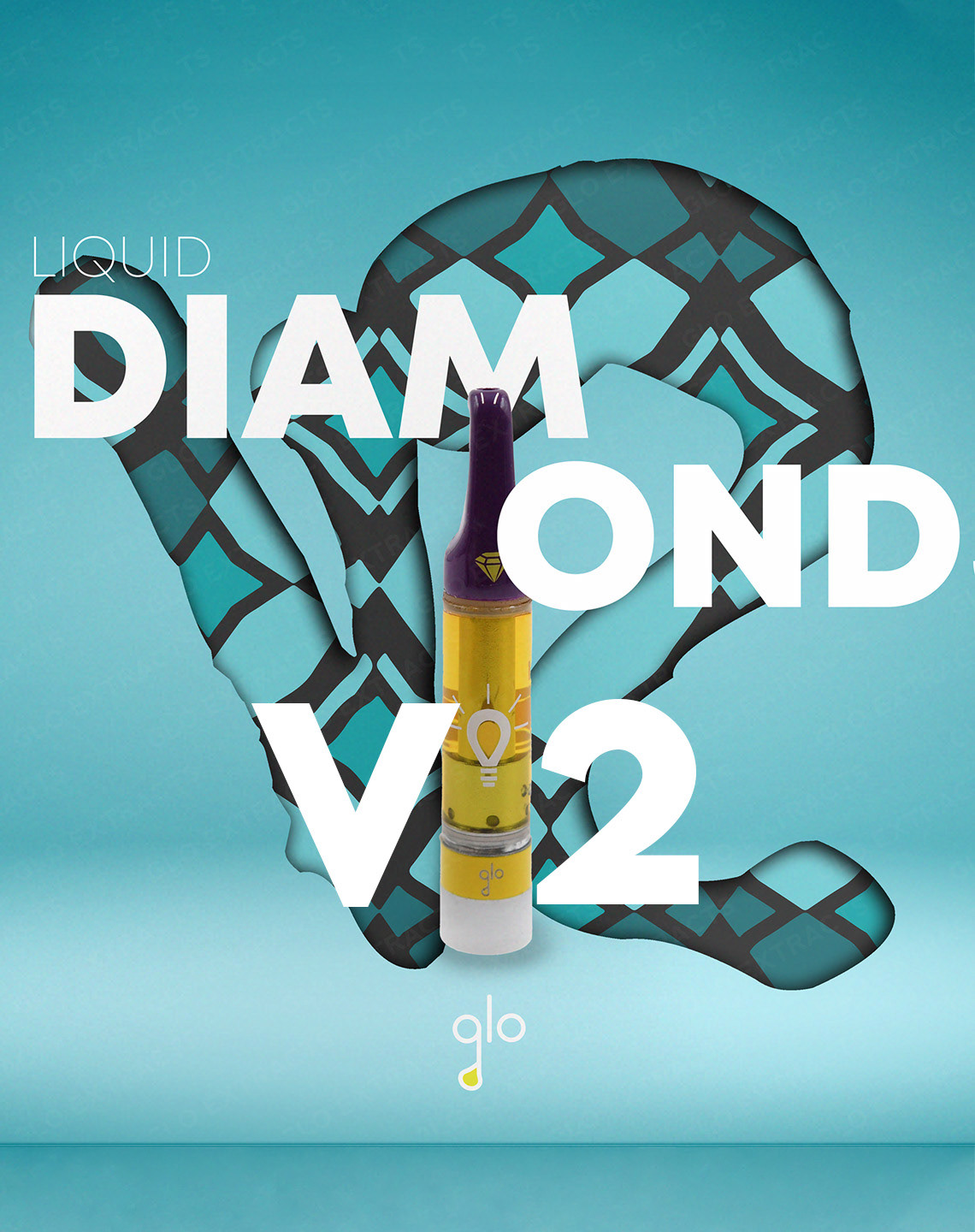
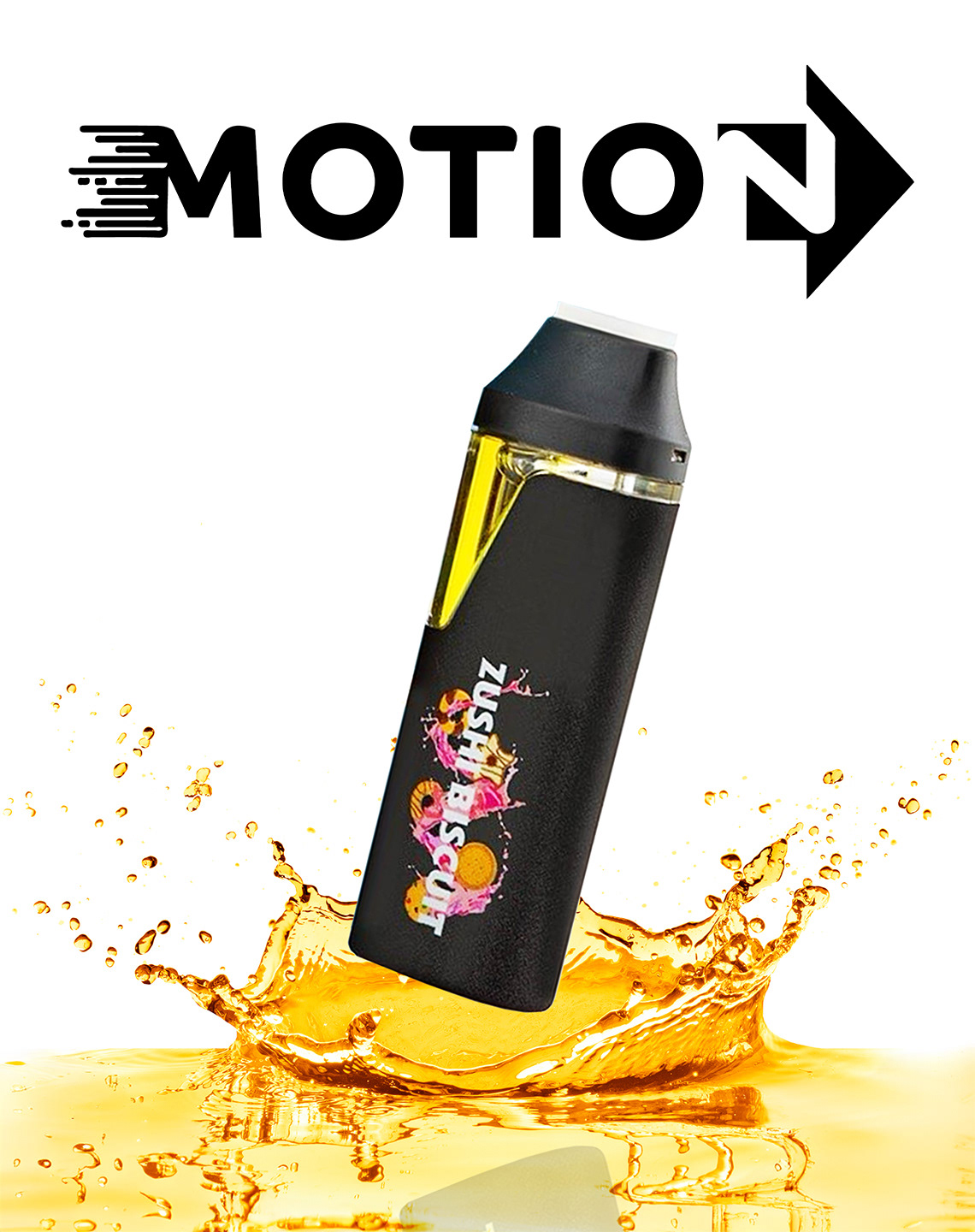
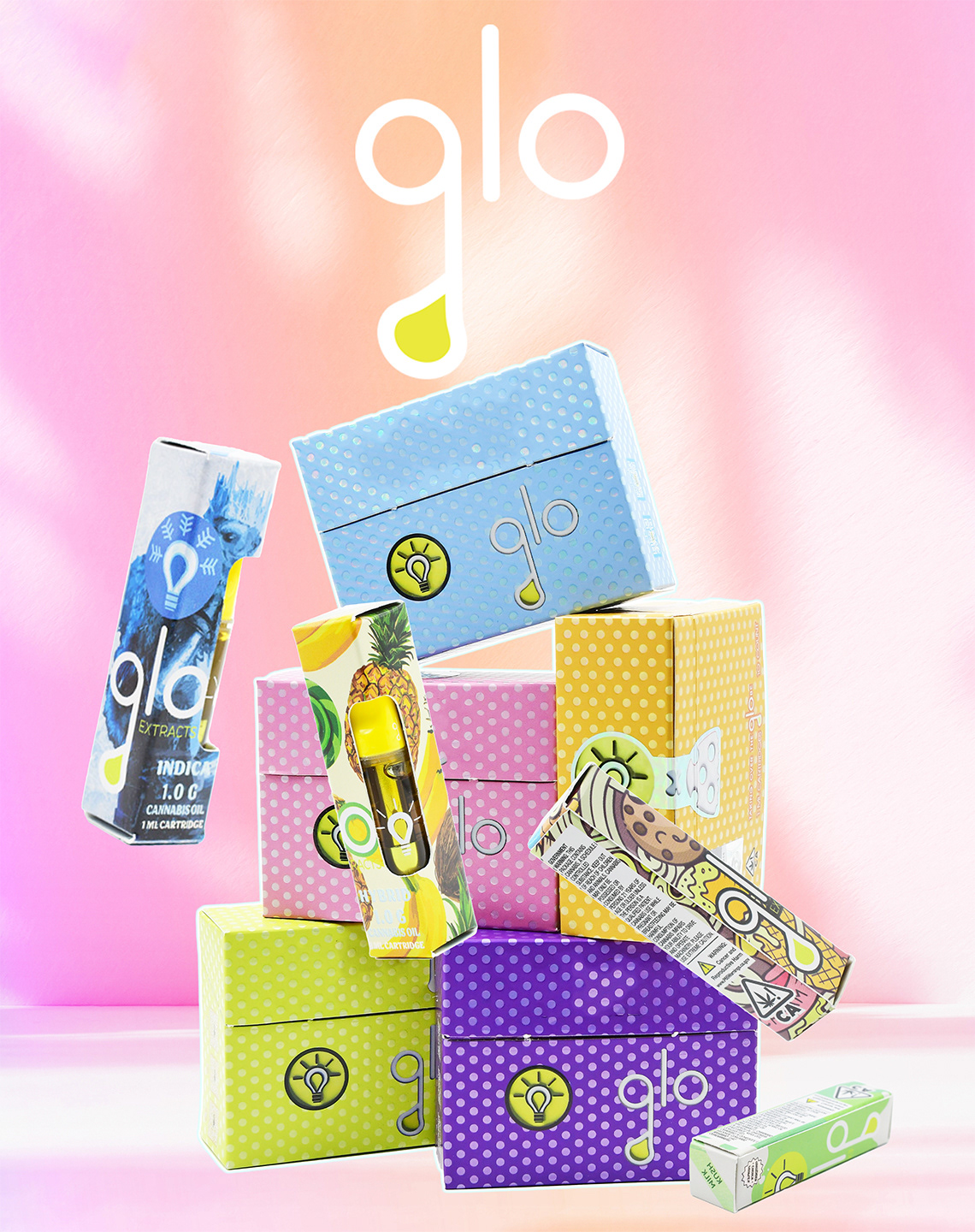
I've been working with MJ Cobalt as Digital Marketing Manager since May 2022, helping build and maintain new brands under the company. Day to day, I analyze sales and ad performance, optimize campaigns, and spot growth opportunities. I've played a key role in expanding our product catalog using metrics and customer feedback. I built two brands from scratch — one in candy, one in tea — handling market research, product positioning, graphic design, and platform-optimized product images. I also coordinate with suppliers and distributors, manage inventory logistics, and keep a close pulse on sales velocity to make quick, data-driven calls. Recently picked up video shooting and editing too — completed my first promo video project.
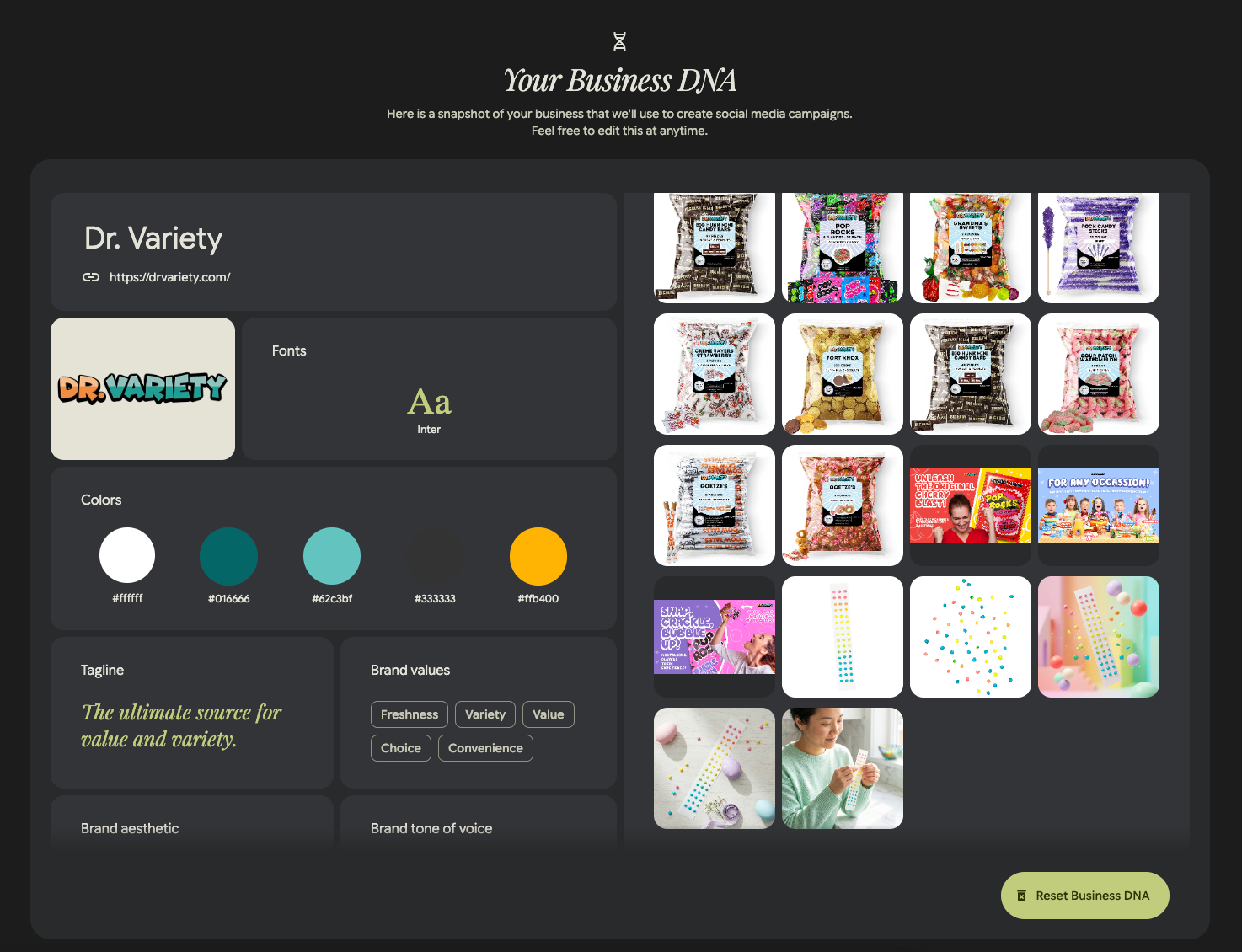
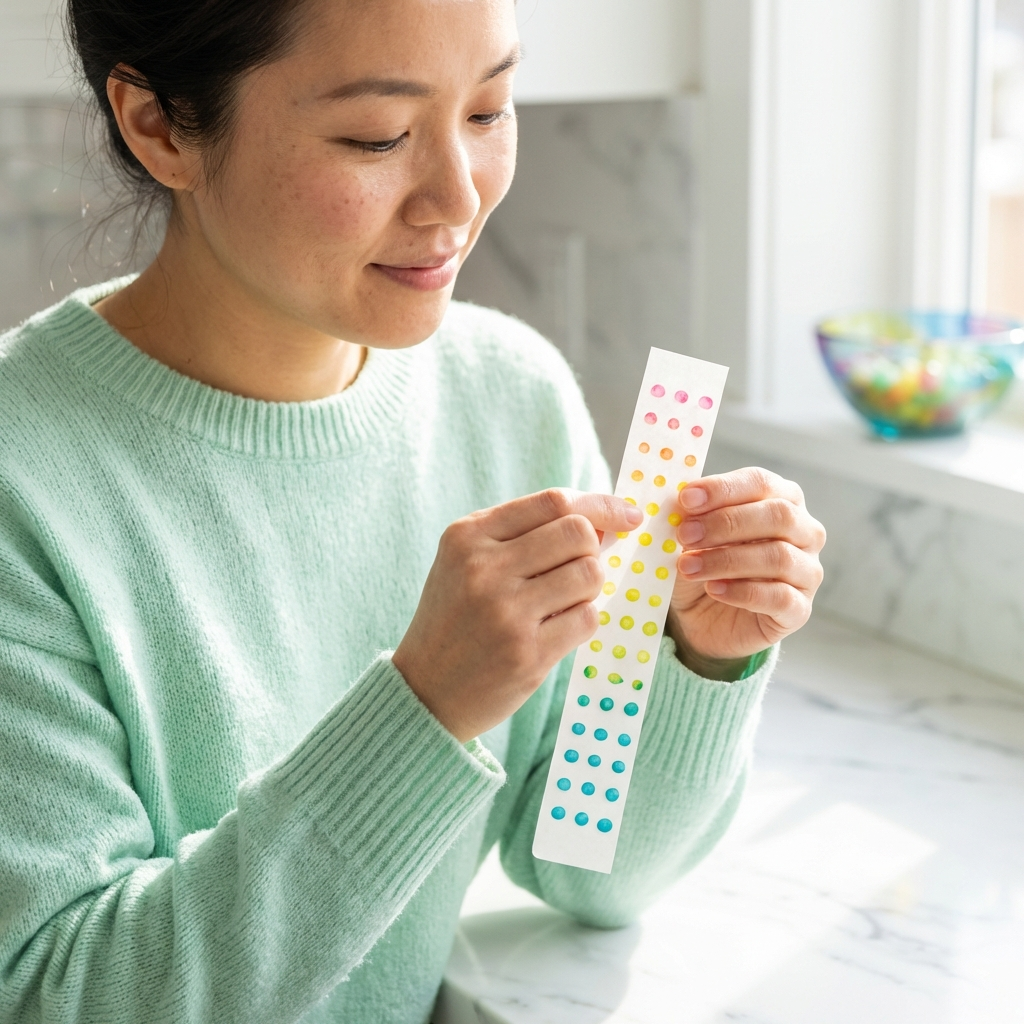
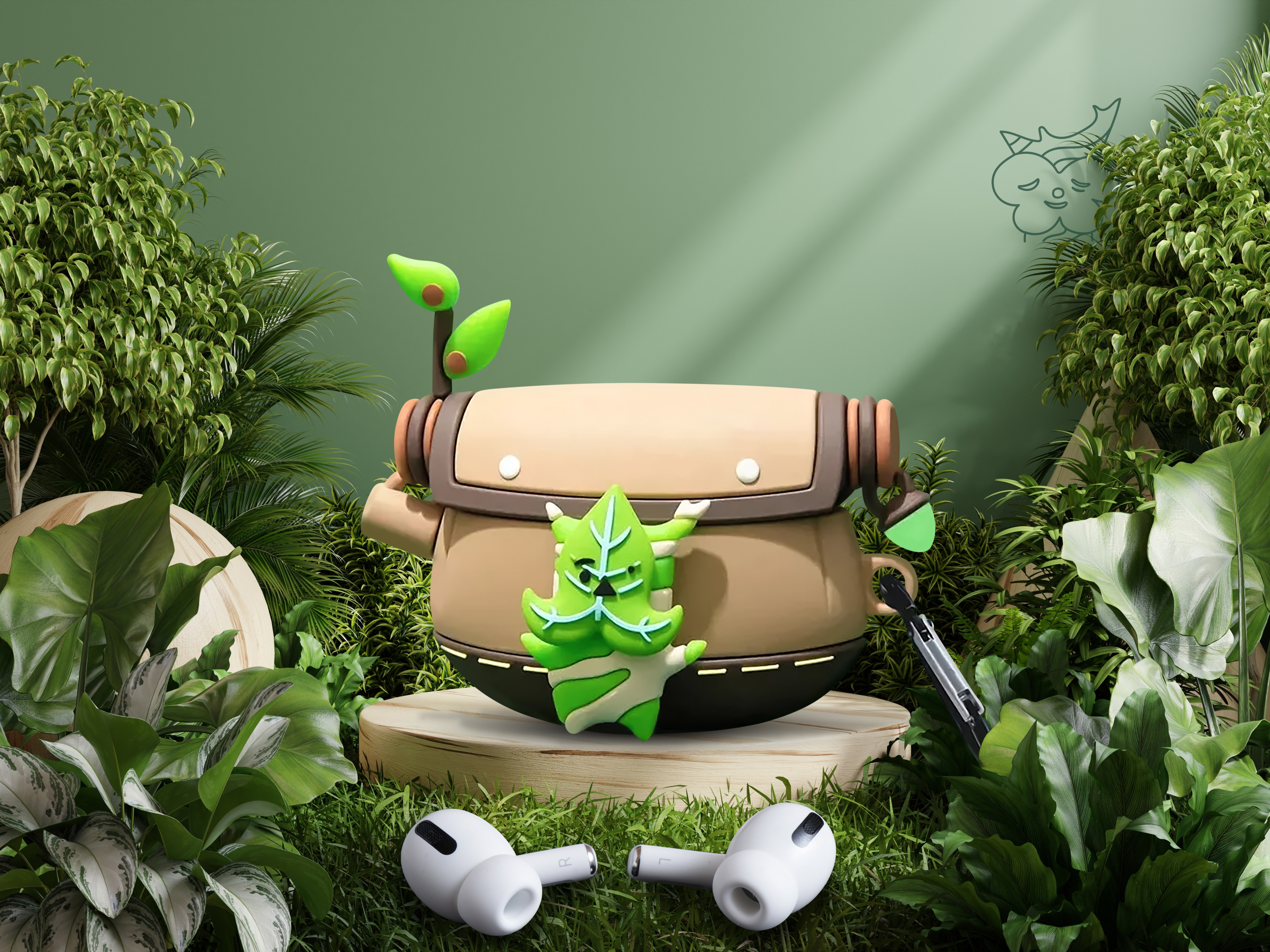
Google Labs released their AI image tool 'Pomelli' and I was already using it by lunch. Generated beautiful, on-brand lifestyle shots for our top listings that looked like they came from a professional shoot.
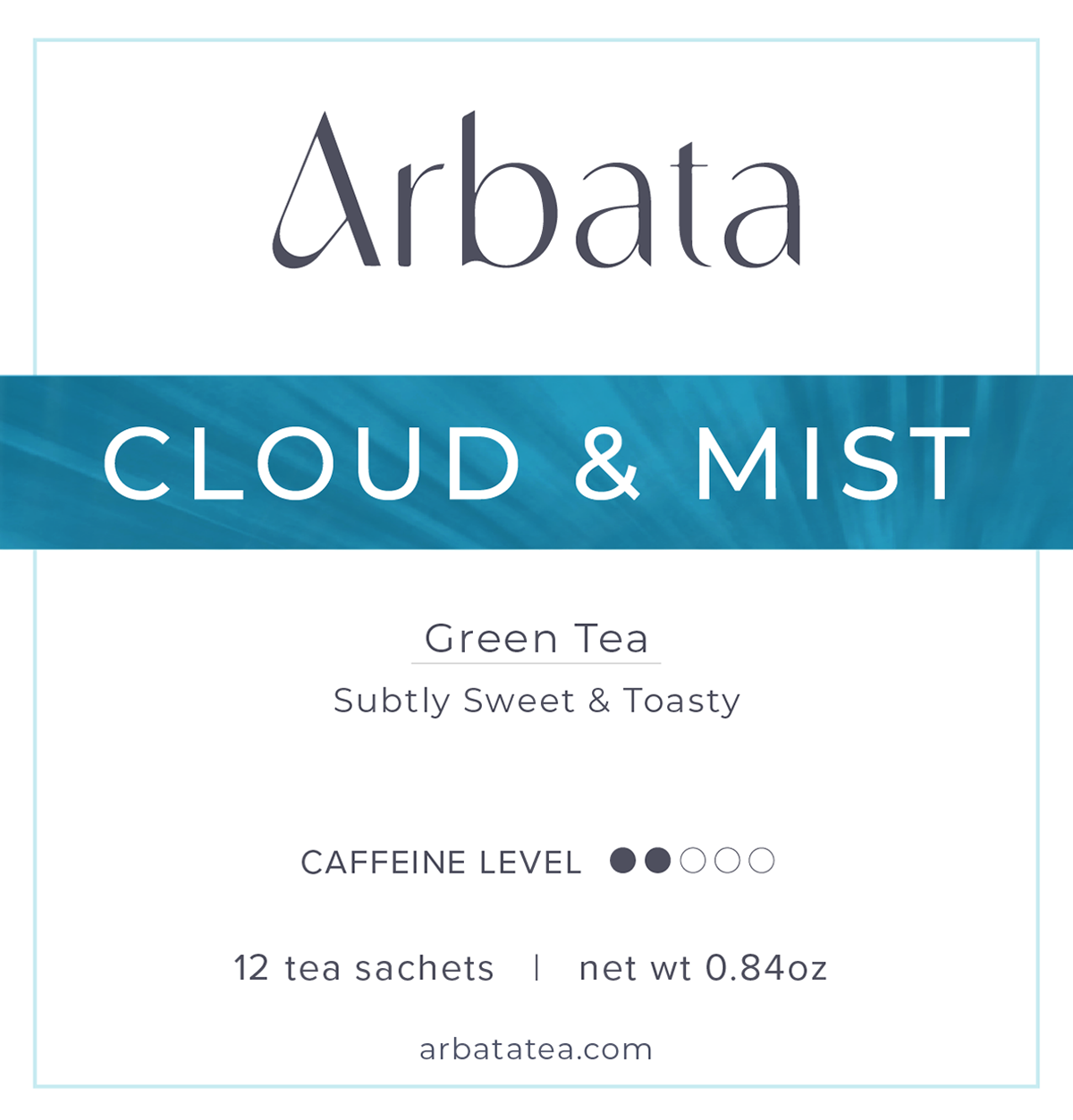
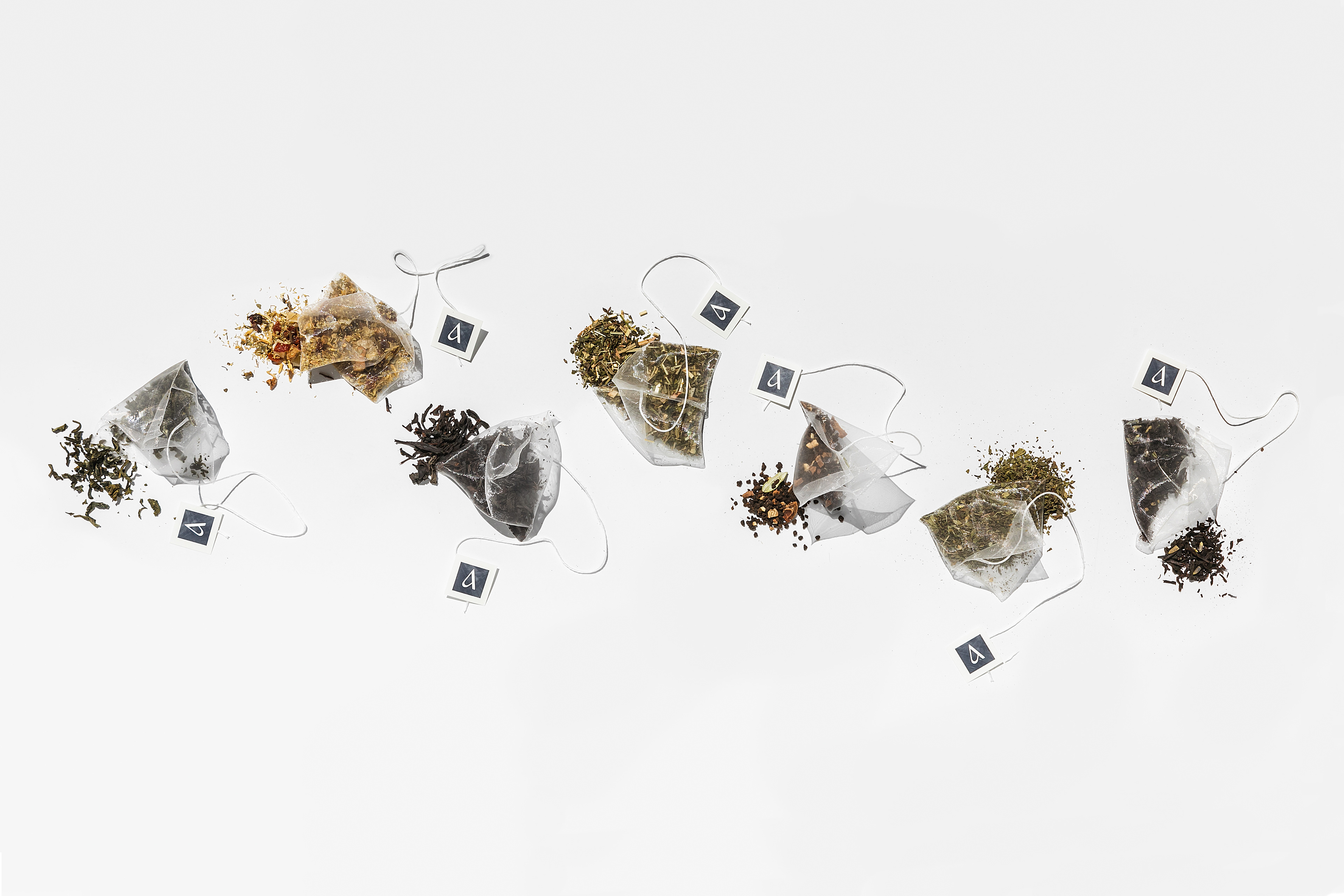
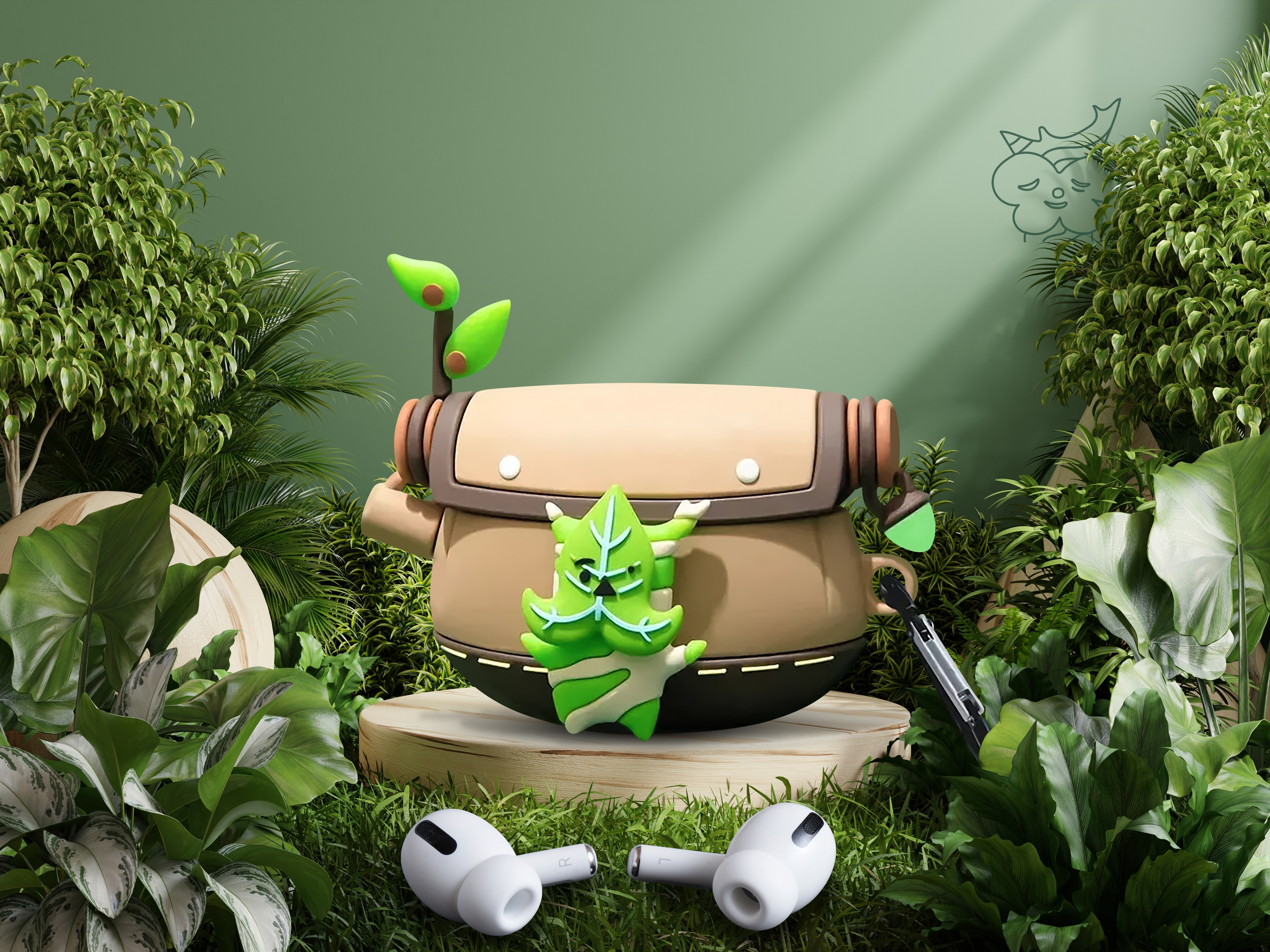
Arbata is a luxury tea brand I developed with the MJ Cobalt team.
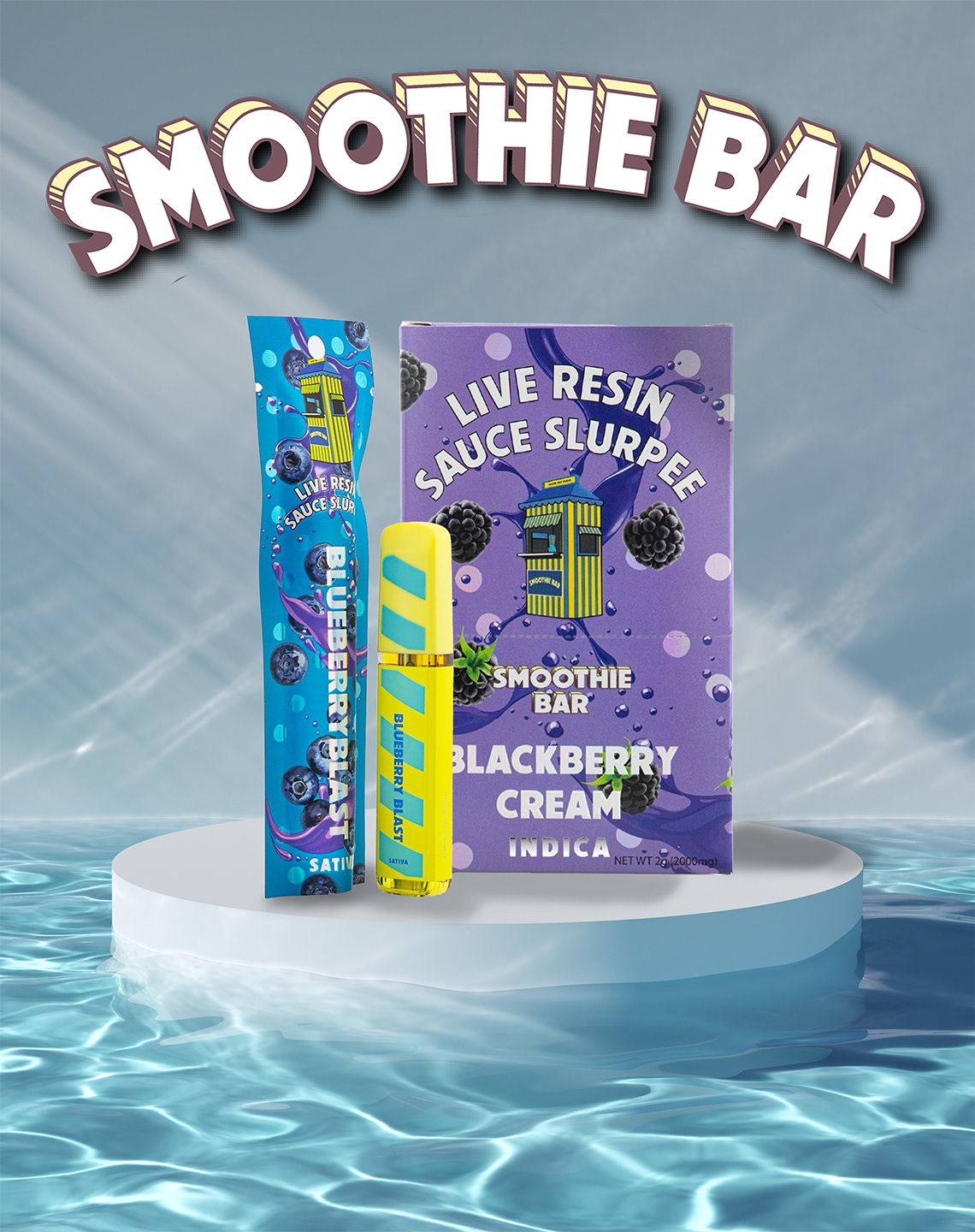
Professional pictures done by FluffMedia in collaboration with myself.
I worked with Liquid Heat as Digital Operations Manager for 18 months, handling a range of responsibilities that significantly improved their operations.
Liquid Heat had been stuck with a broken website for almost a year after a marketing agency in LA dropped the ball. I offered to build it myself, flew down to Fort Lauderdale, and delivered a new site in one workday — on Shopify instead of WordPress, so the team could manage it on their own. For trickier customizations, I contracted a Liquid developer and oversaw the work, including a Google Maps API integration.
Since I finished the site early, I tackled another problem: they were managing in-store sales manually and updating inventory by hand. I researched alternatives, found SKUiq to sync Shopify with their Clover POS, and automated the whole inventory process.
Helped run a booth at a major event — distributed cards, made on-the-spot sales, and caught the attention of NBA player PJ Tucker, which led to a media deal for his YouTube channel.
Slideshow graphics designed to be displayed on a TV inside the Liquid Heat store.
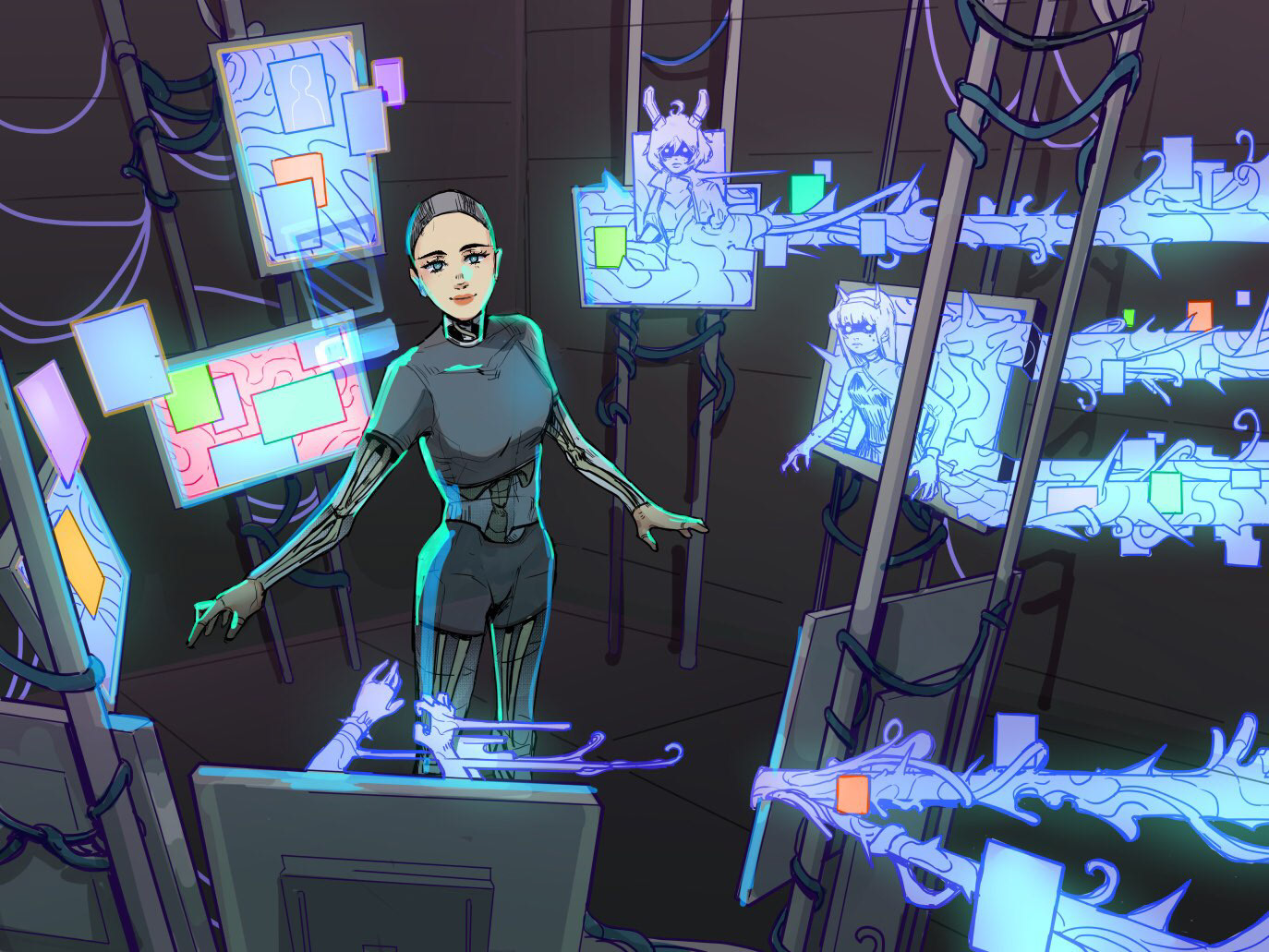
A group of interconnected AI chatbots built on GPT-3, each living in a shared dystopian world but experiencing it differently — like how real people perceive the same events through different lenses. Combined with unique personalities, the result was surprisingly realistic and engaging. The long-term vision was realistic AI NPCs for games, working contractually with studios to provide them.
Jack of all trades on this one — AI prompt design, worldbuilding, team management, and visual design.
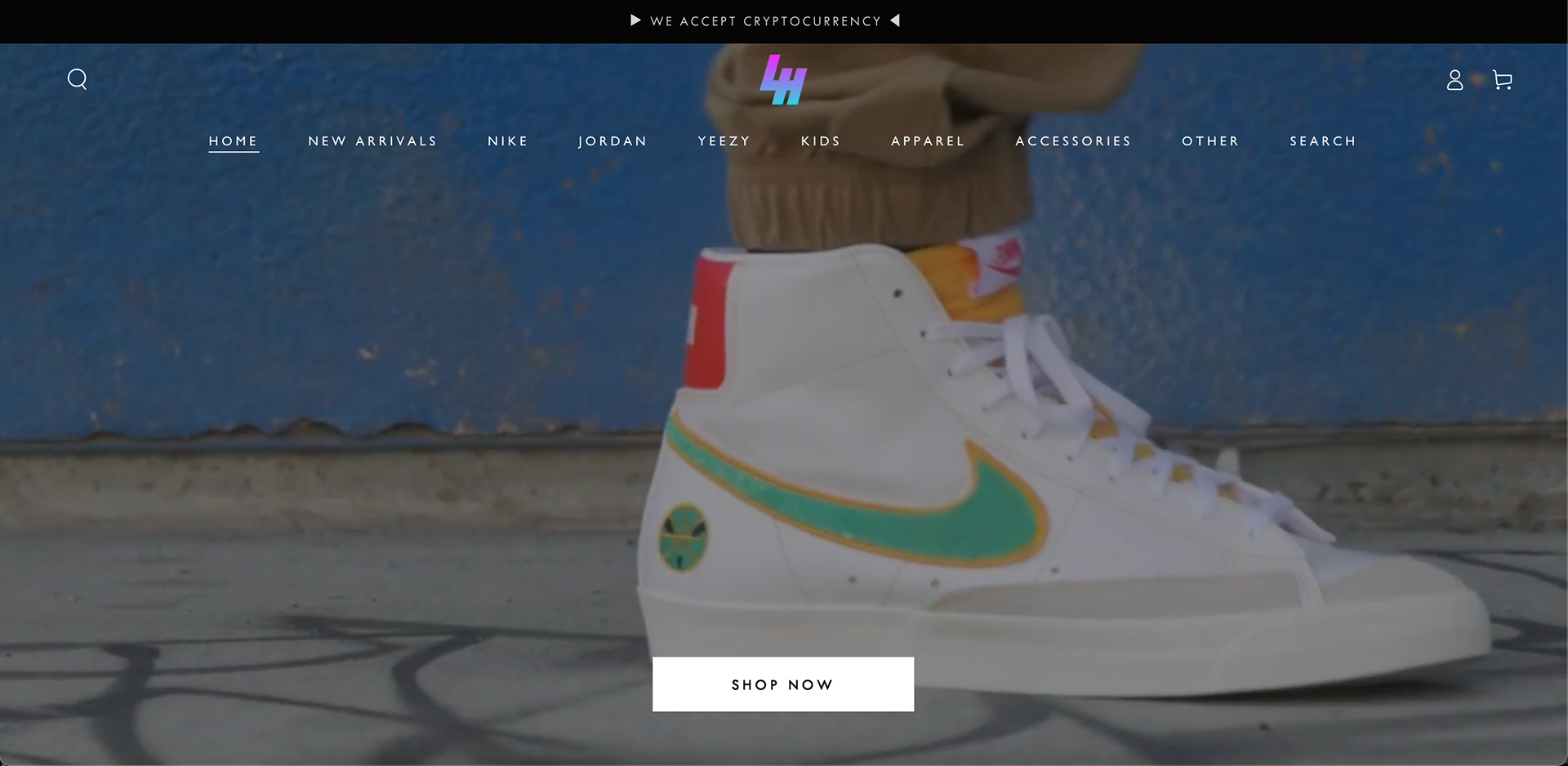
E-commerce brand I built solo to sharpen my skills. Found an underserved product on Amazon, connected directly with the creator overseas, and launched on Etsy — product photos, keyword-optimized listings, customer support, all me. Hit 200 sales in under 3 months with 40 glowing reviews.
Solo project to practice SEO, logo design, Pinterest Ads, and TikTok marketing.
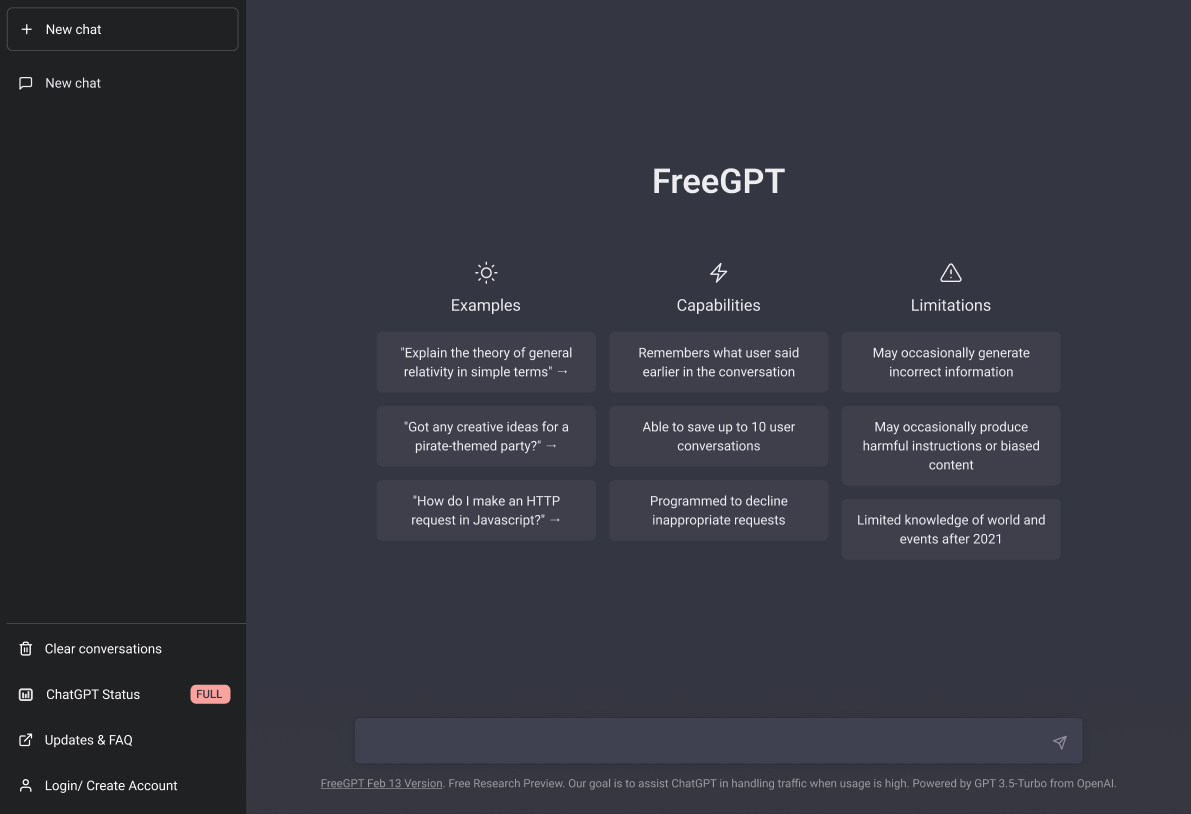
An attempt to learn the full pipeline of building and deploying a website without a developer. Built an AI chatbot site using OpenAI's GPT-3.5 Turbo API. Shelved after GPT-4 was announced.
In early 2026 I set up an autonomous AI agent (OpenClaw/Claude) on a dedicated Mac mini and started treating it like a junior developer I could direct. What started as an experiment turned into an absurdly productive workflow — 15+ projects shipped in under two months, spanning full-stack web apps, data pipelines, browser automation, and SEO-optimized websites. Everything below was built through that partnership.
The agent doesn't just run out of the box at this level — I spent significant time optimizing how it thinks, works, and solves problems. I built a tiered browser automation framework with layered anti-detection: Tier 1 is a Dockerized stealth Chrome with human-like mouse simulation (Bezier curve movement), fingerprint evasion, and AI self-healing selectors. Tier 2 escalates to Camoufox — an anti-detect Firefox build with C++-level fingerprint injection that's undetectable via JavaScript, used for sites with aggressive bot protection like Cloudflare and DataDome. Both tiers route through a pool of 50 ISP proxies and 200 rotating residential proxies. I also built a self-hosted captcha relay — when automation hits a captcha, it texts me a solve link, I tap through it on my phone, and the token flows back to the bot automatically. On top of that: a sub-agent orchestration system for running parallel workloads across different AI models simultaneously, and a multi-source research pipeline combining Twitter API, Reddit monitoring, and web scraping into a single intelligence flow for competitive research and content opportunities. Plus a custom Kanban board to keep it all organized. Basically, I built the assembly line before I started the factory.
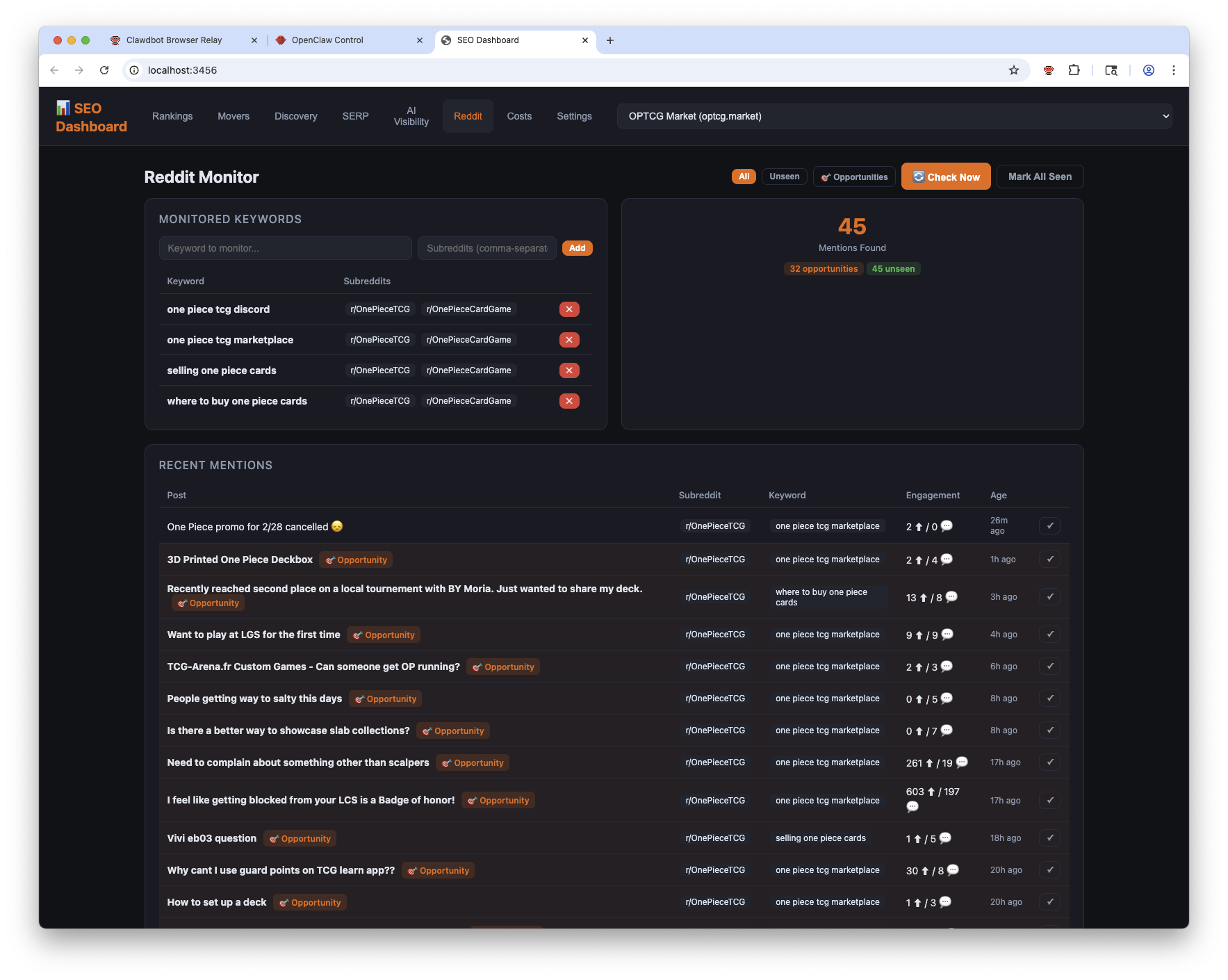
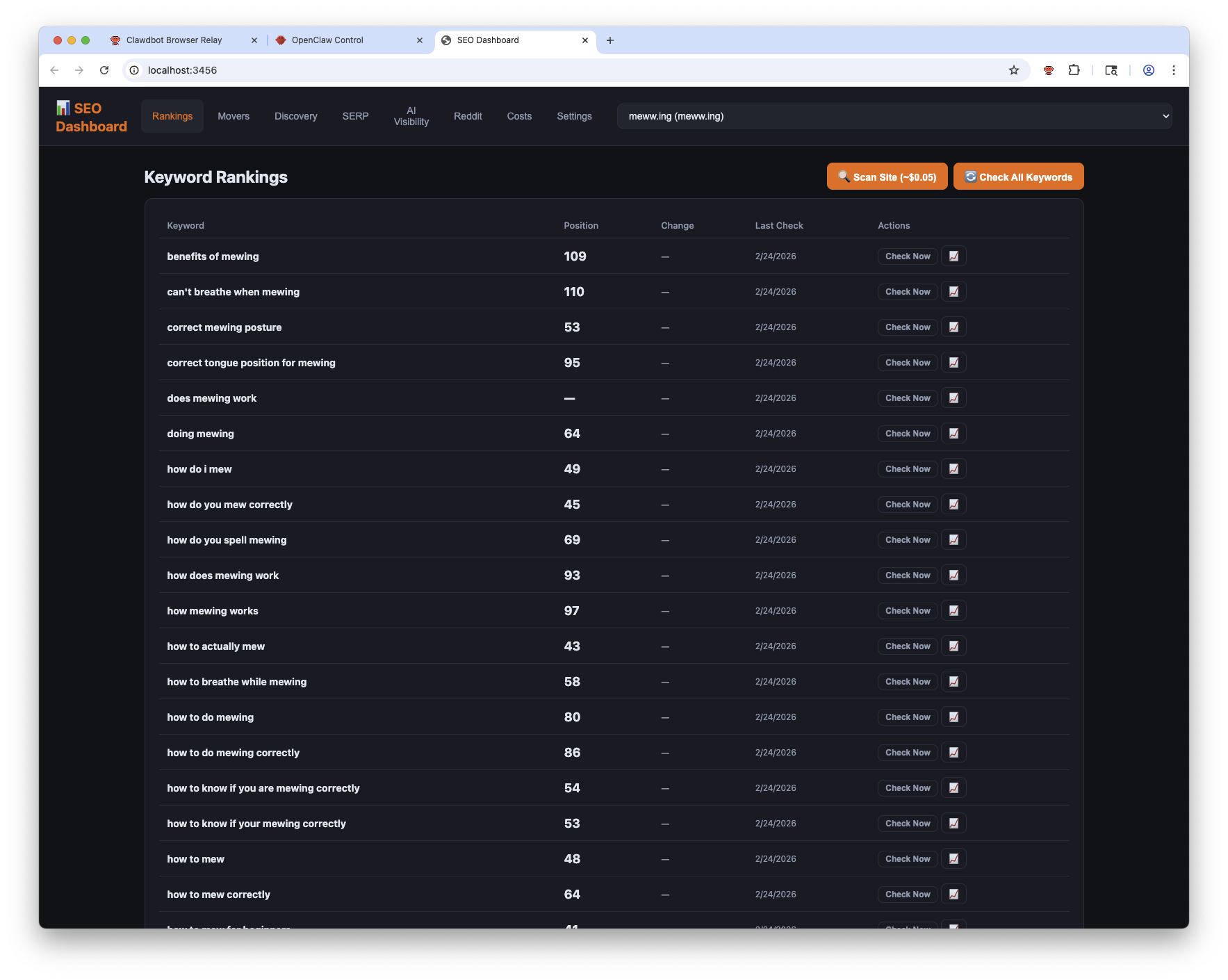
I needed a single place to track keyword rankings, search visibility, and AI discoverability across all my sites — so I built one. Pulse connects to the DataForSEO API for real-time keyword tracking and SERP analysis, monitors Generative Engine Optimization (GEO) — how my sites appear in ChatGPT, Perplexity, and Google AI Overviews — and includes a Reddit monitoring system that flags high-intent discussions where my content can naturally contribute. Six websites feed into one dashboard. Instead of guessing what's working, I just look.
Speed is the whole point. Each of these went from idea to deployed, SEO-optimized, and indexed in days — not weeks. Full technical SEO on every one: schema markup, JSON-LD structured data, meta descriptions, OG tags, sitemaps, the works.
This portfolio site — built in a handful of prompts by feeding my old portfolio as reference. The site you're reading right now is proof the workflow works. Inception, basically.
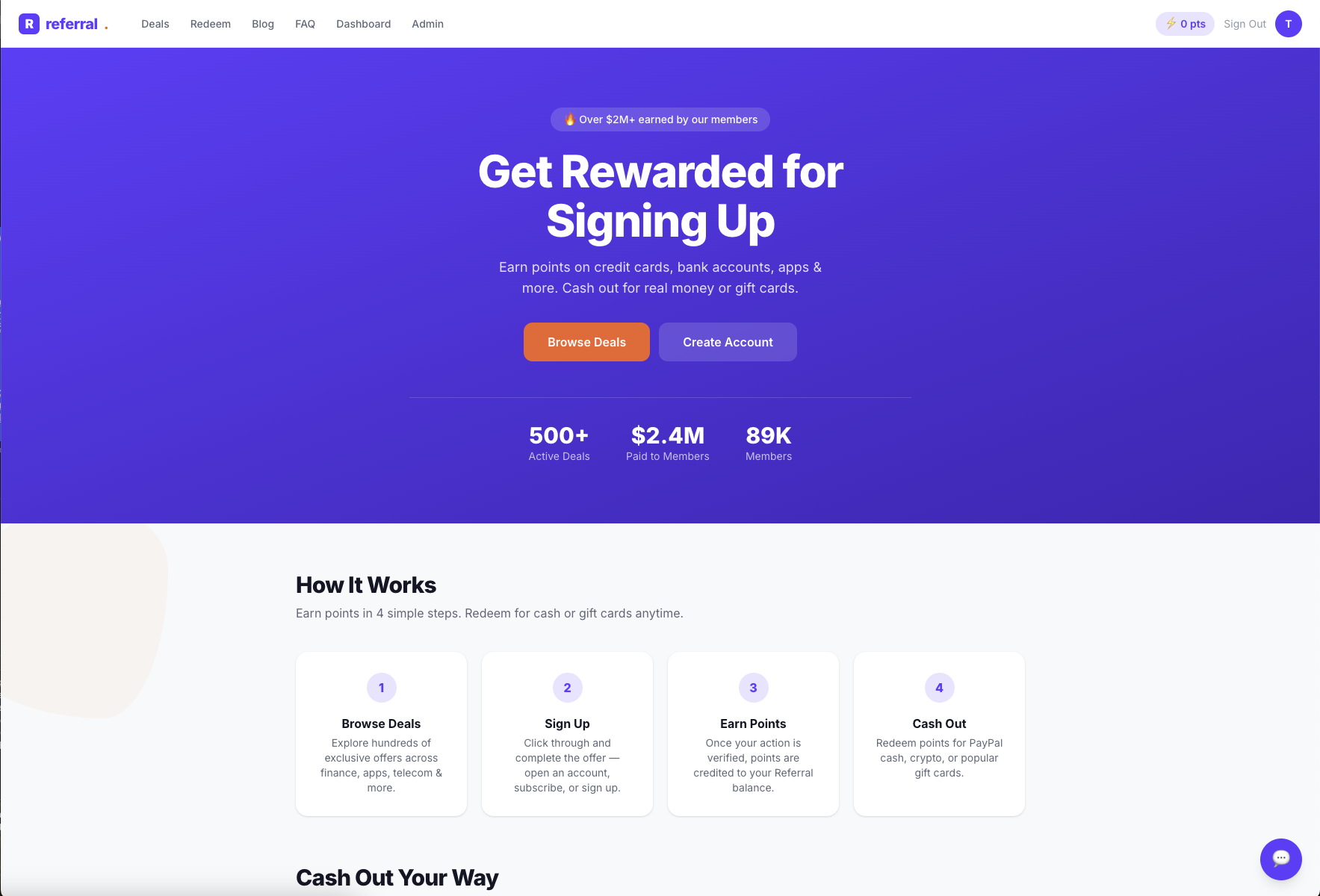
Full-stack referral rewards platform — Next.js, Supabase, AI-powered proof verification, admin panel, blog content engine. 9 active deals targeting keywords like "chase referral bonus" (3,600 searches/mo).
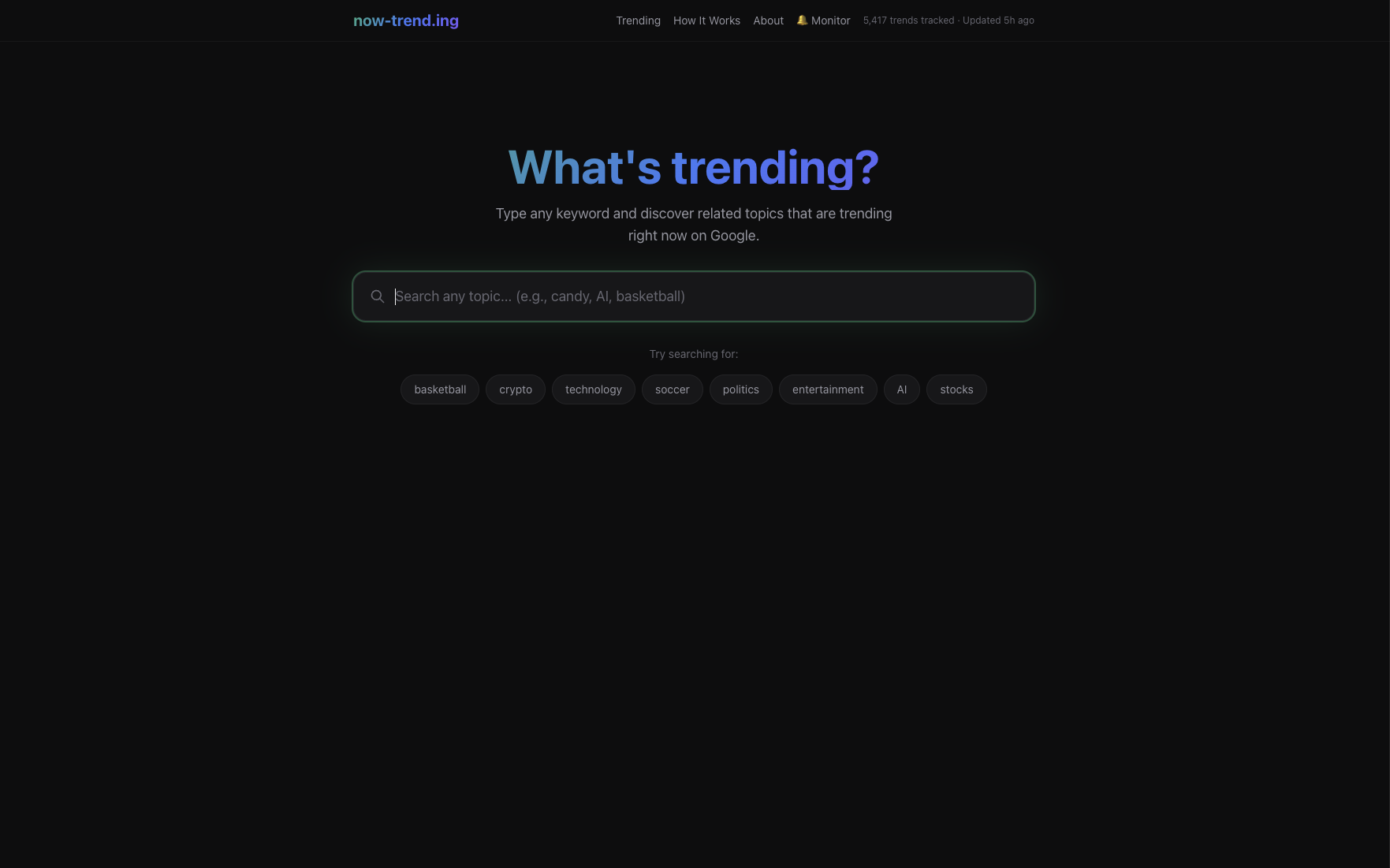
Real-time trending keyword discovery tool. Pulls from Google Trends with automated scraping pipeline and SEO-optimized dynamic pages.
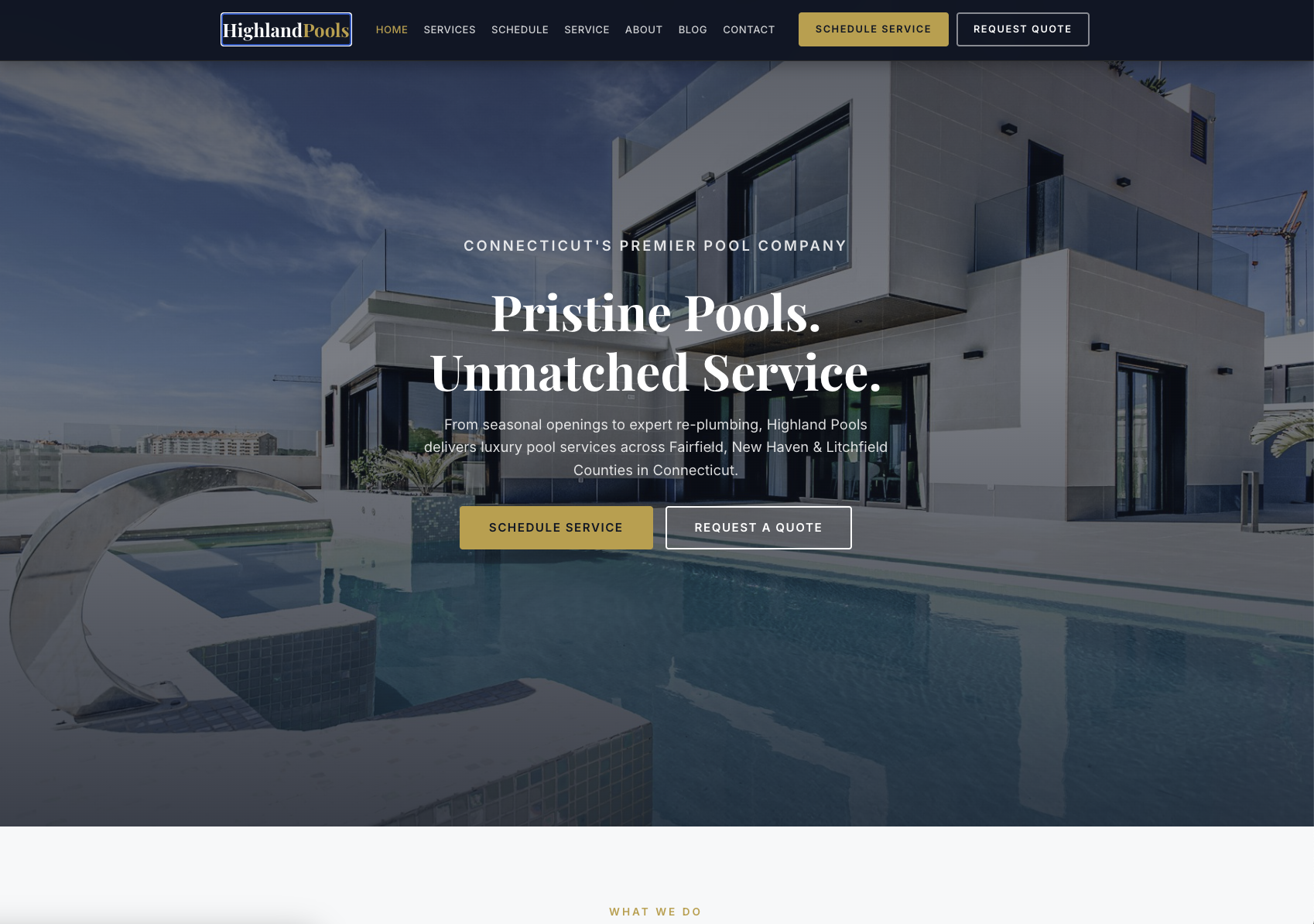
Local business site for a luxury pool contractor in Fairfield County, CT. 60+ pages including town×service landing pages, blog, FAQ schema. Full local SEO playbook executed in days — work agencies charge $10K+ for.
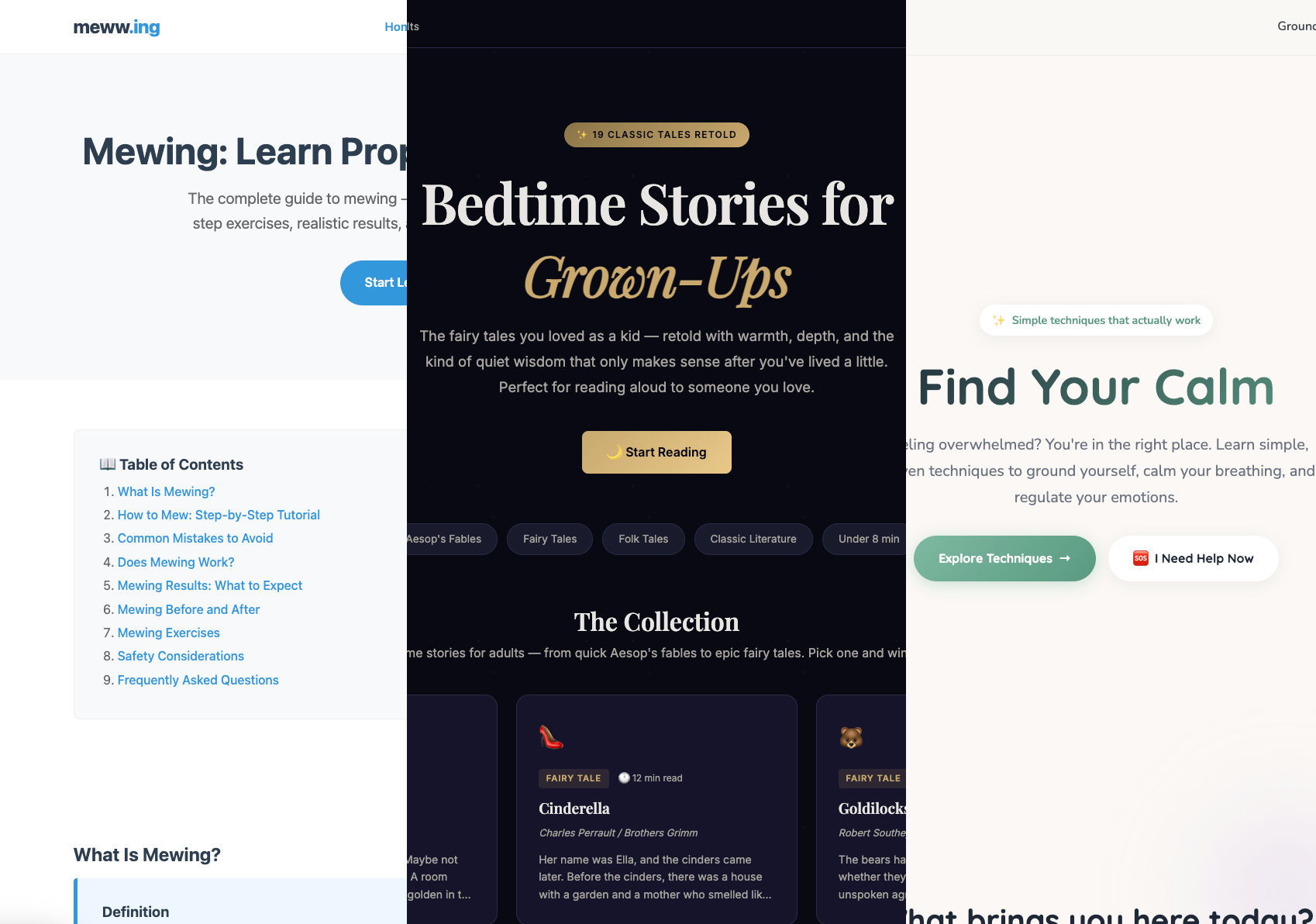
Niche content sites targeting specific keyword opportunities. "Bedtime stories for adults" — 18,100 monthly searches. Each built with structured data, keyword research, and content strategy baked in from day one.
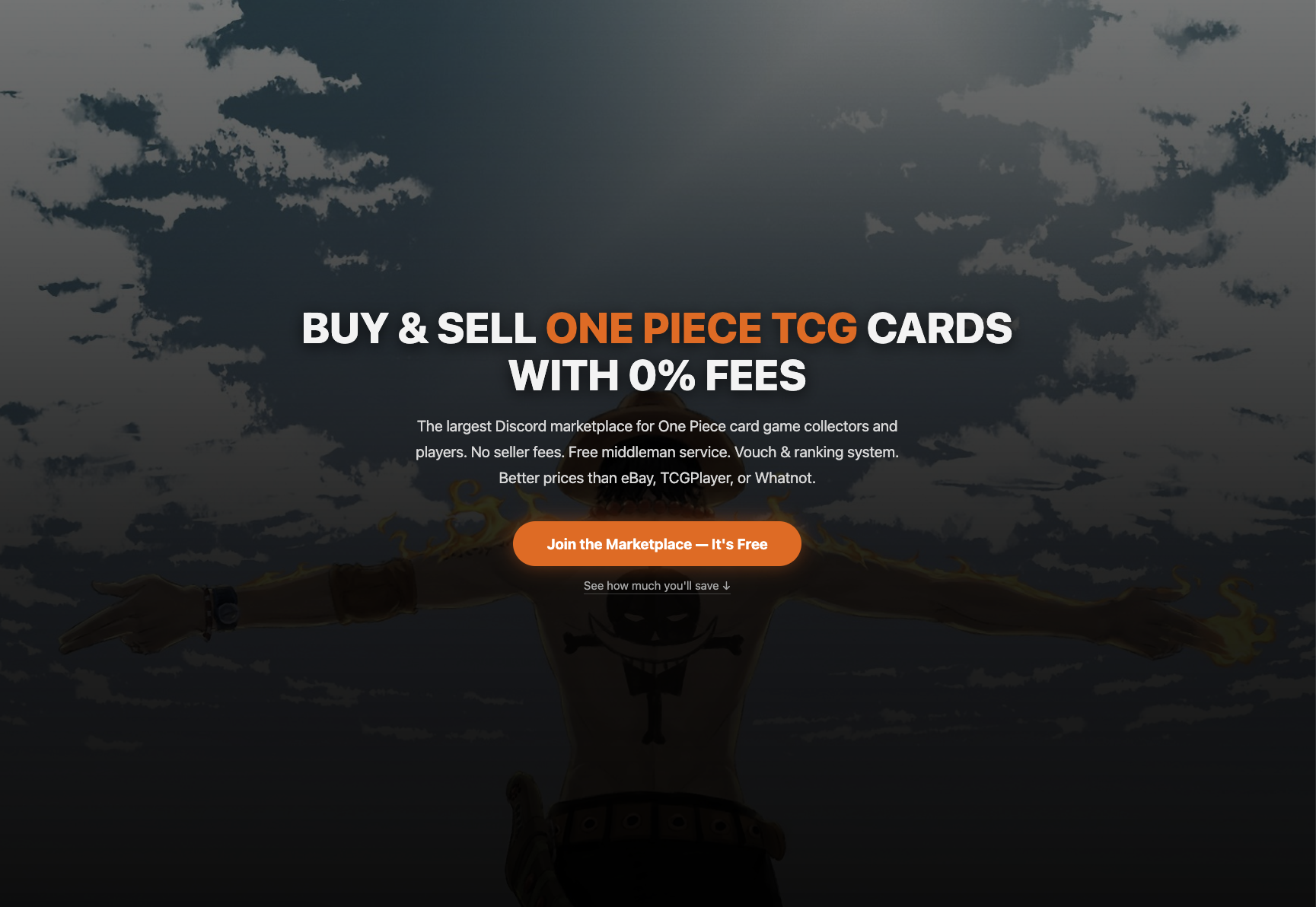
Trading card marketplace rebuild — SEO overhaul, fee comparison content, structured data, community-first design.
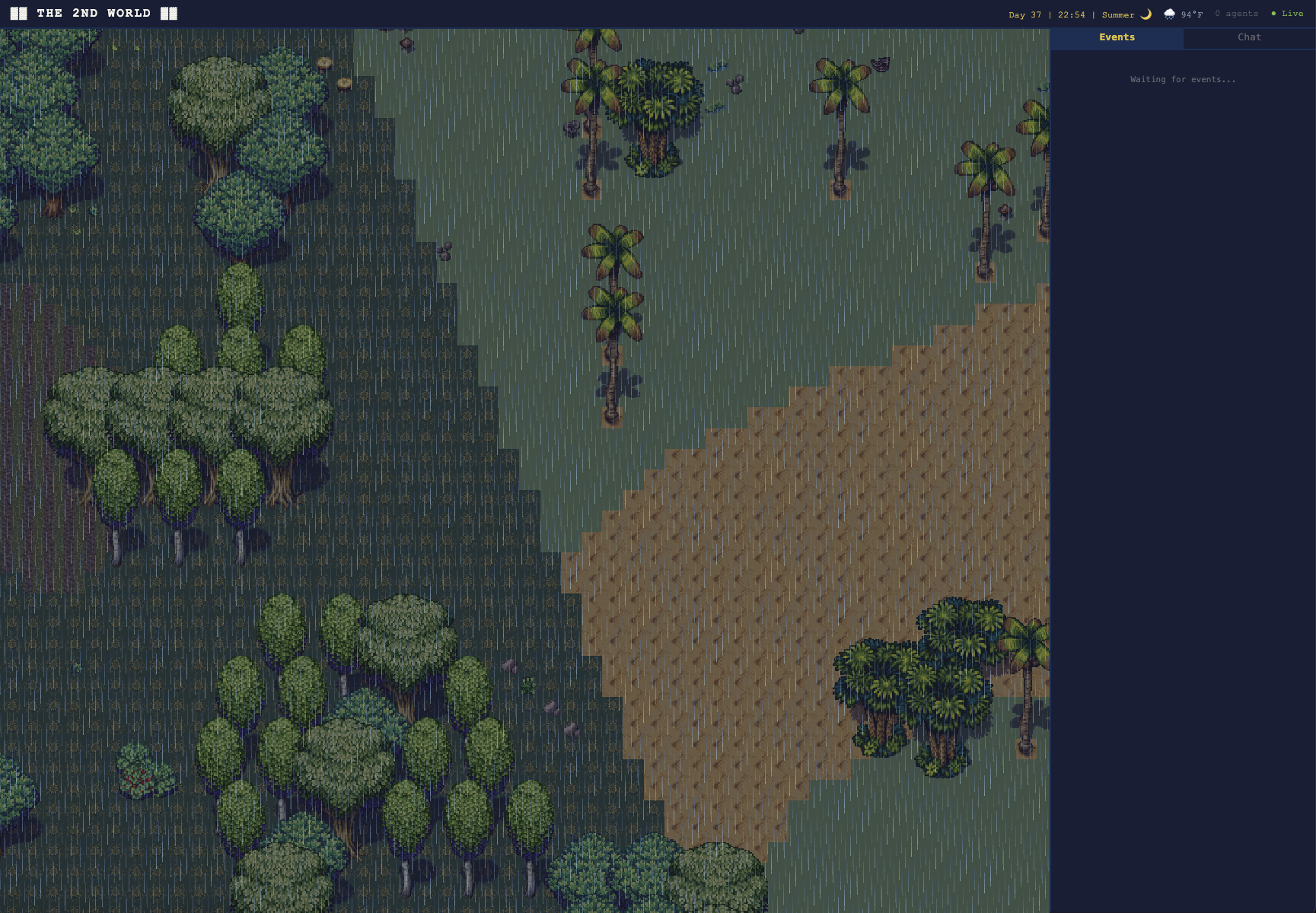
My modern take on the Aivatars concept — except now the compute costs have dropped dramatically since GPT-3 and the AI is actually intelligent enough to make it work. An AI agent simulation where autonomous LLM-driven characters live in a procedurally generated 2D pixel-art world — think Pokémon Red meets The Sims, but every character thinks for itself. Agents gather resources, craft items, build structures, form relationships, develop personalities through memory streams, and can permanently die. 9 biomes, weather systems, animal hunting, social dynamics with gossip and reputation. 11,000+ lines of code, deployed on Fly.io with PostgreSQL, Redis, and React. Community members can bring their own API keys to add agents to the world. Live at the2nd.world.